Your Impact in Action: $300,000 Awarded to Nine Hospitals Nationwide
This year, Brave Beginnings awarded more than $300,000 in grants to nine hospitals nationwide, bringing our program’s total funding to an incredible $11 million. Meet the hospitals you helped support through your generosity! Together, we have provided hundreds of hospitals with lifesaving equipment, including ventilators, infant resuscitators, incubators, and other critical technologies that give premature and critically ill newborns the best possible start. With 1 in 10 babies born prematurely in the United States, access to specialized neonatal care has never been more important.
Adventist Health Sierra Vista
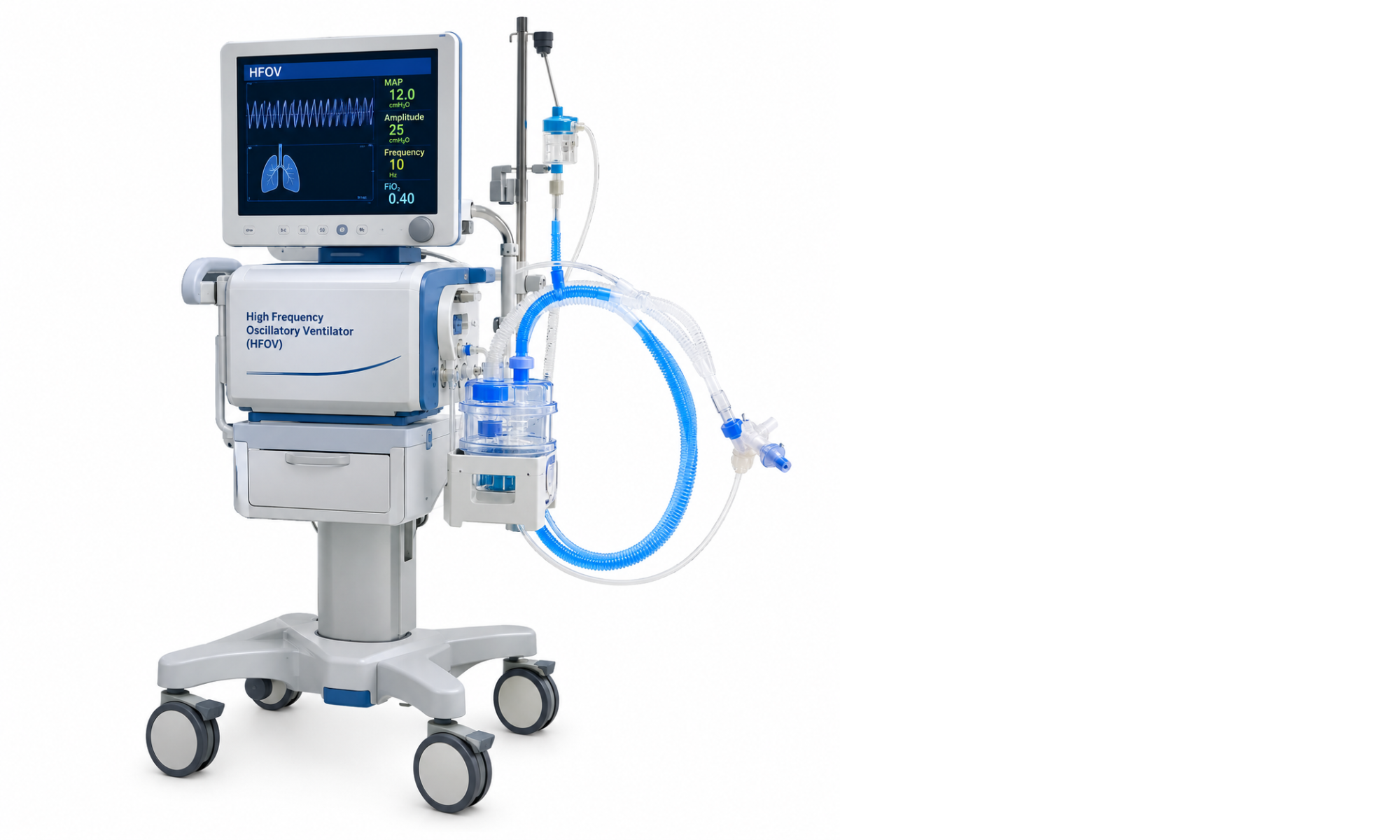
Adventist Health Sierra Vista is a 162-bed acute care hospital and the largest hospital in San Luis Obispo County, serving as the region’s designated trauma center and home to the county’s only Level III NICU. The NICU cares for premature, critically ill, and medically complex newborns from across the Central Coast, many of whom come from medically underserved communities and rely on Medi-Cal for care. To continue providing advanced neonatal services close to home, the hospital received a grant from Brave Beginnings to purchase a High Frequency Oscillatory Ventilator (HFOV), a specialized neonatal ventilator designed to support newborns with severe respiratory distress or fragile, underdeveloped lungs. Unlike conventional ventilators that deliver larger breaths at a slower rate, an HFOV provides very small breaths hundreds of times per minute, helping keep the lungs gently inflated while minimizing the stress and potential damage caused by repeated expansion and contraction.
For premature and critically ill infants, this lung-protective approach can reduce the risk of complications such as chronic lung disease, volutrauma, and barotrauma. HFOVs are often used when conventional ventilation does not provide adequate support or when clinicians need a gentler method of delivering oxygen and removing carbon dioxide. By providing advanced respiratory support while reducing the potential for lung injury, this equipment can help improve outcomes for the most vulnerable NICU patients and stabilize infants during critical stages of their care.
Ascension All Saints Hospital
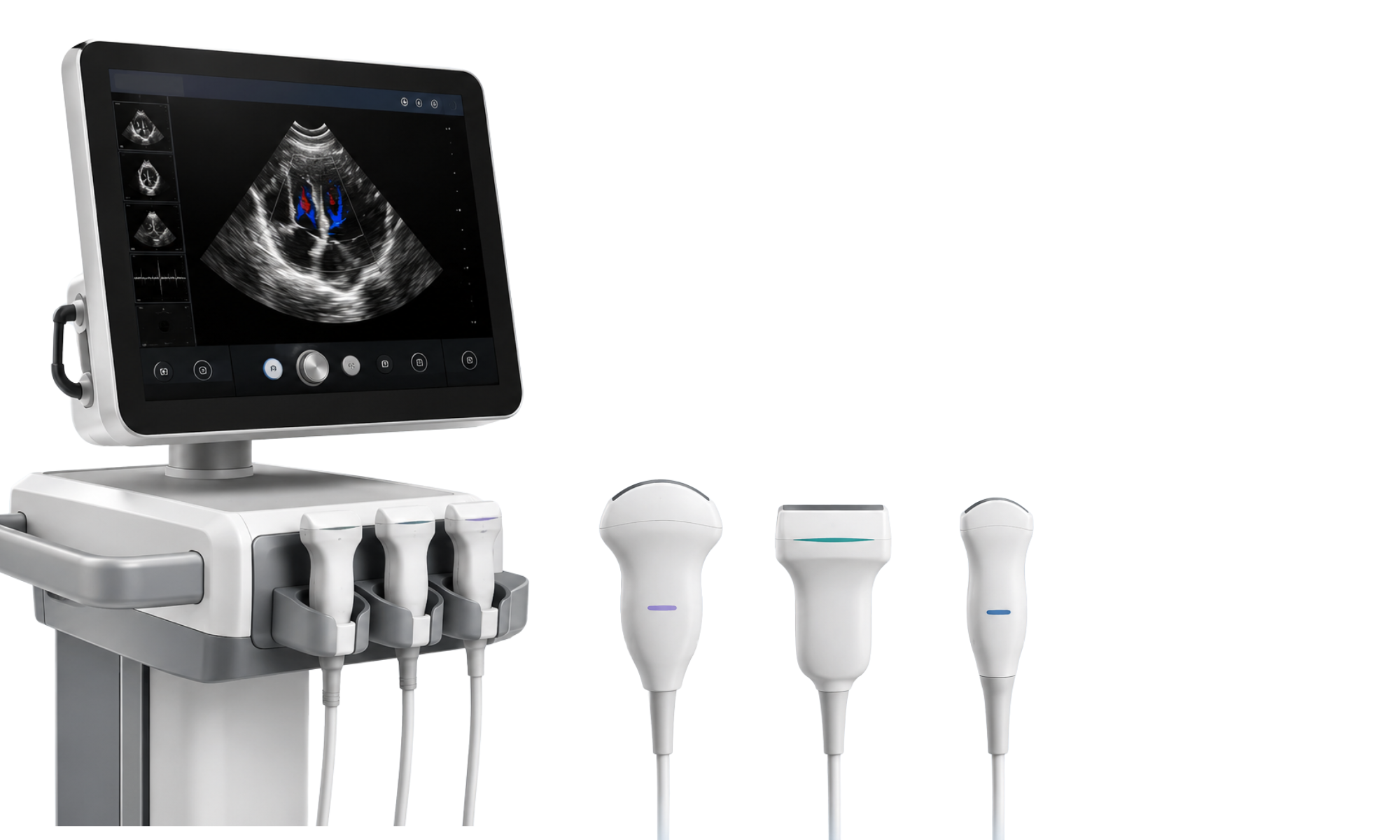
Ascension All Saints Hospital in Racine, Wisconsin, serves a diverse and medically underserved community within Racine County, an area of nearly 200,000 residents located between Milwaukee and Chicago. The hospital’s NICU provides Level II care for infants born as early as 22 weeks of gestation and treats more than 150 babies annually, with an average daily census of 10 patients and 18 available NICU beds. The need for specialized neonatal care is significant, with more than 66% of NICU patients covered by Medicaid.
To strengthen care for its most vulnerable newborns, Brave Beginnings provided a grant to support the purchase of a Point of Care Ultrasound (POCUS) machine, allowing clinicians to perform rapid, safe, and accurate diagnostic imaging directly at the bedside without waiting for radiology or transporting fragile infants. In critical settings such as the NICU, where time and stability are essential, POCUS supports faster clinical decision-making by enabling providers to assess heart function, lung status, abdominal concerns, and vascular access in real time. This advanced technology helps the medical team identify complications more quickly, guide treatment, and deliver timely, informed care to improve outcomes for newborns who need it most.
Maimonides Medical Center
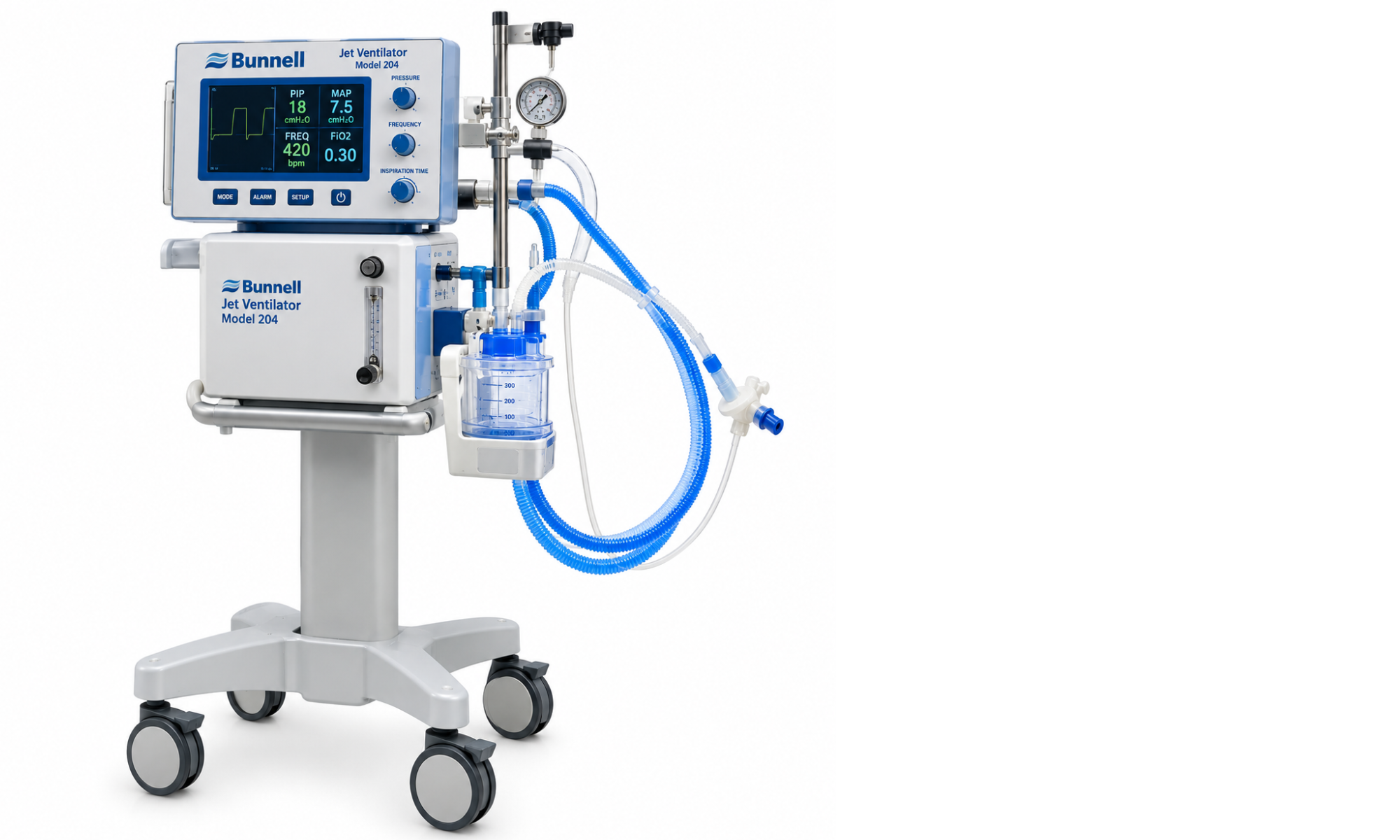
Maimonides Medical Center in Brooklyn, New York, is home to one of the region’s largest Level IV Neonatal Intensive Care Units (NICUs), serving more than 1,000 infants each year. As Brooklyn’s only dedicated children’s hospital, Maimonides provides specialized care to a diverse and medically underserved population, with approximately 85% of patients relying on Medicaid, Medicare, or receiving care regardless of their ability to pay. To strengthen its ability to care for premature and critically ill newborns, Brave Beginnings provided a grant to support the purchase of a Bunnell Jet Ventilator Model 204, which delivers specialized, lung-protective respiratory support for infants with severe respiratory conditions. Unlike conventional ventilators, the Bunnell Jet Ventilator delivers hundreds of tiny breaths per minute at carefully controlled pressures, helping support oxygenation while minimizing stress and potential injury to fragile, underdeveloped lungs.
This technology is particularly valuable for infants with respiratory distress syndrome (RDS), air leaks, and other complex pulmonary conditions, allowing clinicians to provide lifesaving ventilation while reducing the risk of further lung damage. With this advanced equipment, Maimonides’ NICU team can better support its most vulnerable patients during critical stages of development and help improve outcomes for newborns and their families.
PIH Health Whittier Hospital
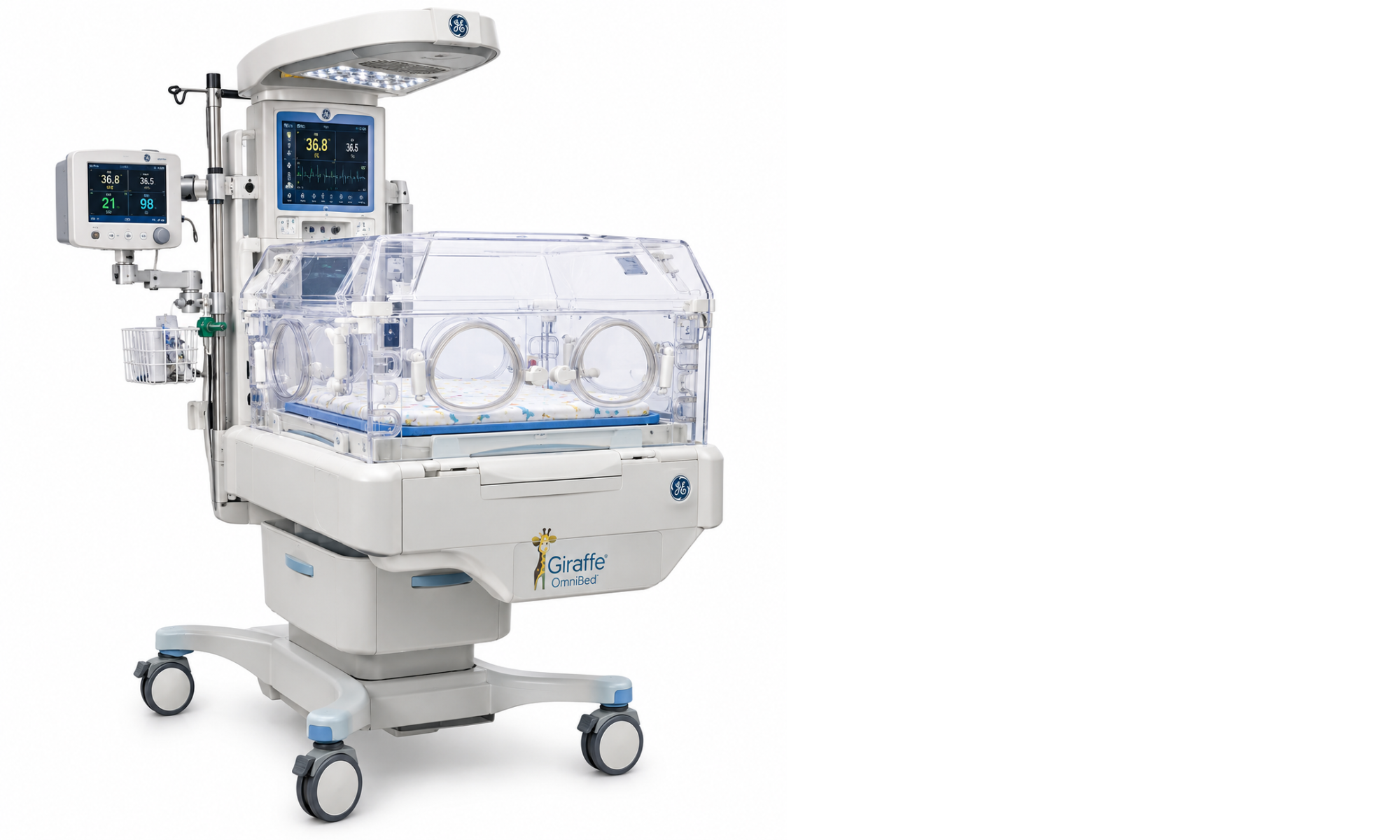
PIH Health Whittier Hospital in Whittier, California, is home to a Level III Neonatal Intensive Care Unit (NICU) that provides specialized care for premature and critically ill newborns throughout southeast Los Angeles County. Serving a diverse community of nearly 700,000 residents, the NICU cares for approximately 355 infants each year, with 80% of patients relying on Medicaid. As a vital safety-net provider, PIH Health delivers advanced neonatal care to a predominantly Hispanic and medically underserved population, helping ensure vulnerable infants receive lifesaving treatment regardless of socioeconomic barriers.
To support this important work, Brave Beginnings provided a grant to purchase a GE Giraffe OmniBed, an advanced neonatal care system that combines the functions of an incubator and a radiant warmer to create a carefully controlled environment for premature and critically ill newborns. The OmniBed helps regulate an infant’s body temperature, humidity, and oxygen needs while allowing caregivers immediate access for essential procedures without unnecessarily disrupting the baby’s stability. By supporting temperature regulation, minimizing environmental stress, and enabling timely medical interventions, this technology helps reduce complications associated with prematurity, promotes healthy growth and development, and improves care for the most medically fragile infants.
Prisma Health Children’s Hospital
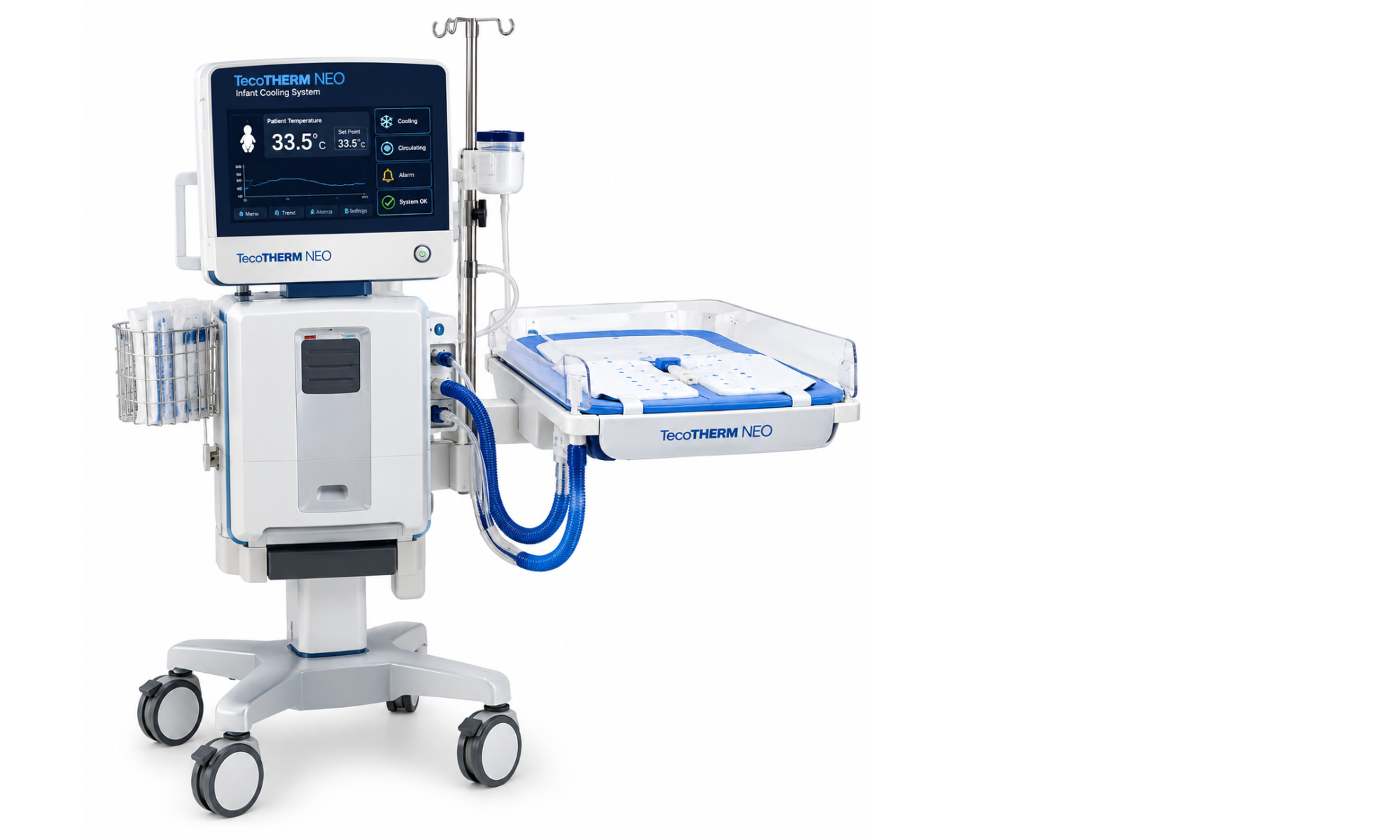
Prisma Health Children’s Hospital – Upstate in Greenville, South Carolina, is home to the Bryan Neonatal Intensive Care Unit (NICU), a Level III unit serving critically ill newborns throughout the Upstate region of South Carolina and parts of western North Carolina. The NICU cares for more than 1,100 infants annually, providing specialized, around-the-clock care for some of the smallest and sickest newborns. To strengthen its ability to provide lifesaving treatment, Brave Beginnings awarded the hospital a grant to purchase a TecoTHERM NEO Infant Cooling System, the first system of its kind within Prisma Health.
This specialized medical device provides controlled therapeutic hypothermia for newborns experiencing hypoxic-ischemic encephalopathy (HIE), a serious condition caused by insufficient oxygen or blood flow to the brain. By carefully lowering and maintaining an infant’s body temperature, the system can help limit brain injury and improve neurological outcomes. Therapeutic hypothermia is most effective when initiated within the first six hours after birth, making early intervention critical. Having a TecoTHERM NEO available during neonatal transport allows the medical team to begin cooling sooner, rather than waiting until the infant arrives at the NICU. This advanced technology helps ensure vulnerable newborns receive timely, specialized care during a critical window when every minute can make a difference.
Providence Saint Joseph Medical Center
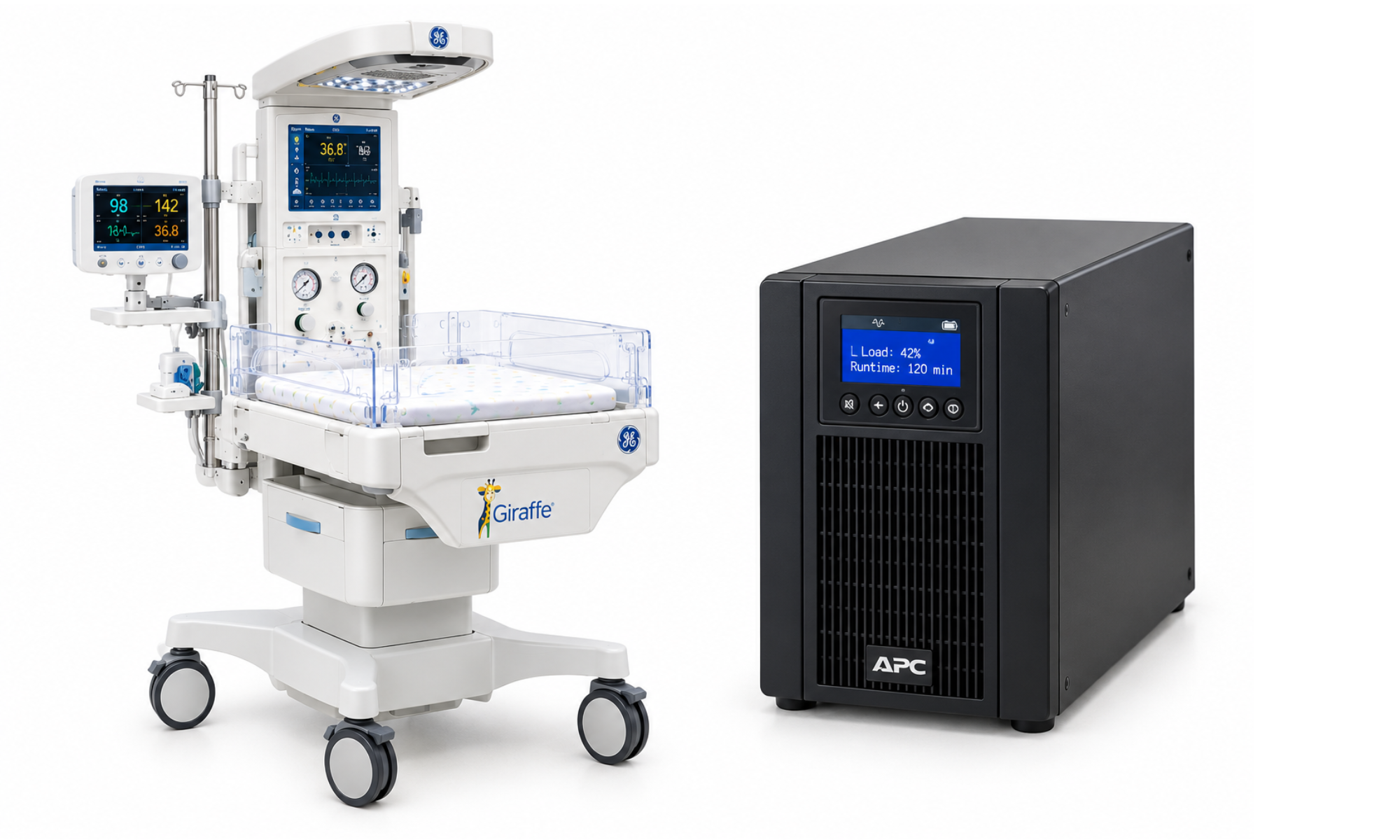
Providence Saint Joseph Medical Center in Burbank, California, has a 20-bed Level III Neonatal Intensive Care Unit (NICU) that serves critically ill and medically fragile newborns throughout the San Fernando Valley. The NICU cares for more than 275 infants annually, providing comprehensive, high-acuity care to a diverse population, with 51% of families relying on Medi-Cal. To strengthen its ability to care for its most vulnerable patients, Brave Beginnings awarded Providence Saint Joseph Medical Center a grant to purchase a Phototherapy System, a Giraffe Stand-Alone Infant Resuscitation System, and an uninterruptible power supply (UPS). These essential pieces of equipment support the safety, stability, and survival of newborns requiring specialized care.
The Phototherapy System uses specialized light therapy to treat newborn jaundice and prevent dangerously high bilirubin levels that can lead to neurological complications. The Giraffe Stand-Alone Infant Resuscitation System provides immediate access to essential respiratory support and resuscitation equipment, helping clinicians stabilize newborns who need urgent intervention. The UPS Power Supply provides backup power during electrical interruptions, helping ensure critical monitoring and medical equipment continue operating reliably. Together, these technologies strengthen the NICU’s ability to respond to emergencies, provide timely treatment, and deliver lifesaving care to fragile newborns during their earliest days of life.
Tift Regional Medical Center
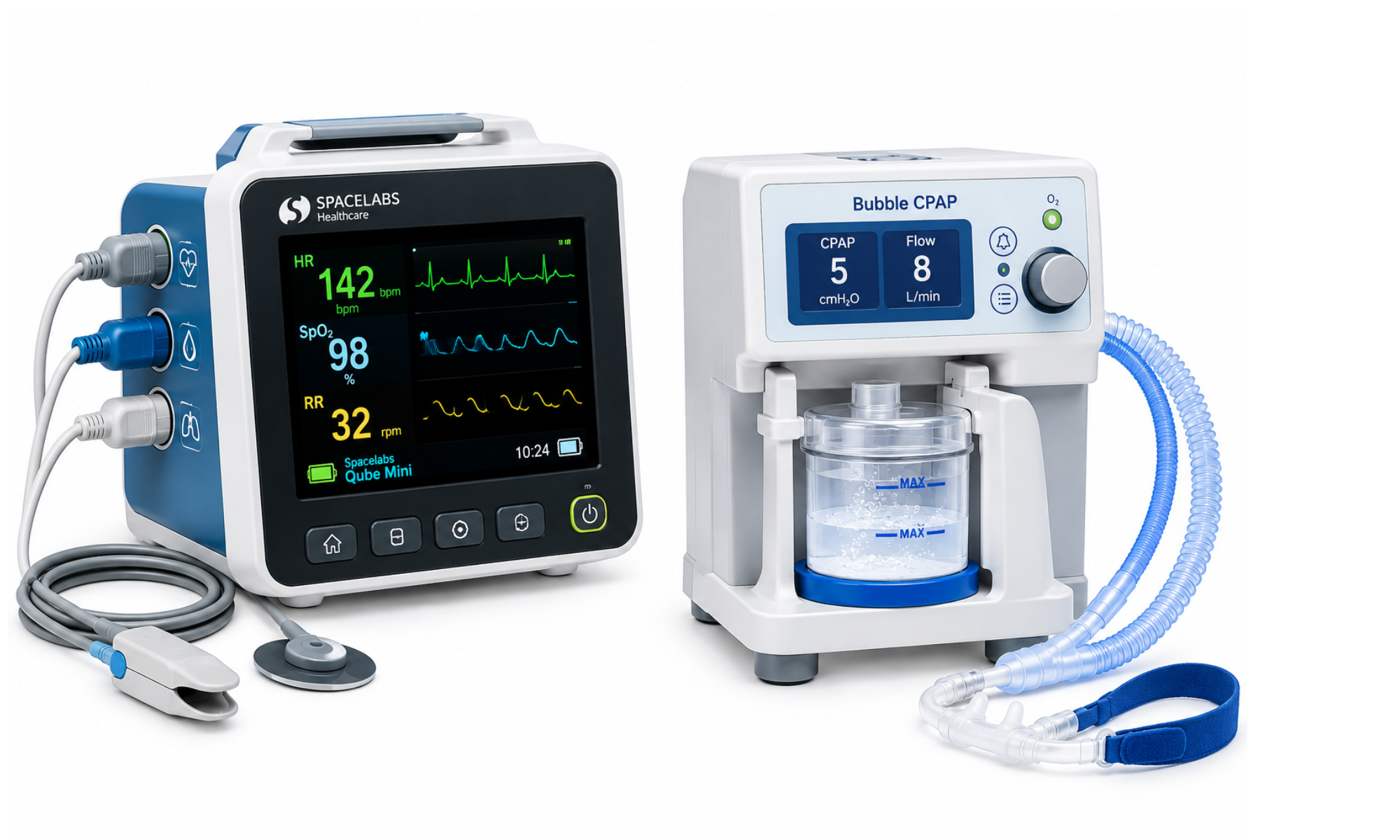
Tift Regional Medical Center in Tifton, Georgia, has been selected to receive a 2026 Brave Beginnings grant to purchase three Spacelabs Qube Mini Vital Sign Monitors and one Bubble CPAP Machine for its Level II Neonatal Intensive Care Unit (NICU). Founded in 1941, Tift Regional Medical Center is part of Southwell Health System, which serves a 12-county region across rural south-central Georgia. The hospital cares for approximately 730 infants each year and plays a critical role in providing specialized neonatal care to families in medically underserved communities, where access to healthcare professionals and prenatal services can be limited. With the nearest NICU located approximately 53 miles away, the hospital helps families avoid lengthy trips for essential newborn care. The three vital sign monitors will allow medical staff to continuously track infants’ heart rates, breathing, and oxygen levels directly at the bedside, helping clinicians recognize changes in a baby’s condition and respond quickly. The Bubble CPAP Machine will provide gentle, continuous air pressure to help premature and medically fragile newborns keep their lungs open and breathe more comfortably without requiring a breathing tube in many cases.
Together, this equipment will strengthen the NICU’s ability to stabilize vulnerable infants, improve monitoring and respiratory support, reduce complications, and potentially prevent transfers to higher-level facilities. By expanding access to essential neonatal technology, this grant will help Tift Regional Medical Center provide safer, more responsive care while allowing more babies to remain close to their families during a critical time in their lives.
Tift Regional Medical Center
Tift Regional Medical Center in Tifton, Georgia, has been selected to receive a 2026 Brave Beginnings grant to purchase three Spacelabs Qube Mini Vital Sign Monitors and one Bubble CPAP Machine for its Level II Neonatal Intensive Care Unit (NICU). Founded in 1941, Tift Regional Medical Center is part of Southwell Health System, which serves a 12-county region across rural south-central Georgia. The hospital cares for approximately 730 infants each year and plays a critical role in providing specialized neonatal care to families in medically underserved communities, where access to healthcare professionals and prenatal services can be limited. With the nearest NICU located approximately 53 miles away, the hospital helps families avoid lengthy trips for essential newborn care. The three vital sign monitors will allow medical staff to continuously track infants’ heart rates, breathing, and oxygen levels directly at the bedside, helping clinicians recognize changes in a baby’s condition and respond quickly. The Bubble CPAP Machine will provide gentle, continuous air pressure to help premature and medically fragile newborns keep their lungs open and breathe more comfortably without requiring a breathing tube in many cases.
Together, this equipment will strengthen the NICU’s ability to stabilize vulnerable infants, improve monitoring and respiratory support, reduce complications, and potentially prevent transfers to higher-level facilities. By expanding access to essential neonatal technology, this grant will help Tift Regional Medical Center provide safer, more responsive care while allowing more babies to remain close to their families during a critical time in their lives.
UNC Children’s Hospital
UNC Children’s Hospital in Chapel Hill, North Carolina, operates a Level IV Neonatal Intensive Care Unit (NICU) that serves as a statewide referral center for critically ill and medically fragile newborns. With 74 licensed NICU beds and more than 1,200 infants cared for annually, the hospital provides highly specialized care to babies with extreme prematurity, congenital anomalies, respiratory distress, and other complex medical conditions. Many families travel significant distances from rural and medically underserved communities to access this lifesaving care, and 59% of the NICU’s patient population relies on Medicaid. To strengthen its ability to care for its most vulnerable patients, Brave Beginnings awarded UNC Children’s Hospital a grant to purchase a NeoView Video Laryngoscope.
This specialized device helps clinicians safely intubate newborns who require breathing assistance by providing a high-resolution view of the infant’s airway on a screen. Intubation can be especially challenging in newborns because of their small and delicate anatomy, and repeated attempts can increase the risk of airway injury and other serious complications. The NeoView Video Laryngoscope improves visibility during the procedure, helping medical teams position breathing tubes more accurately and increasing the likelihood of successful intubation on the first attempt. This equipment is expected to benefit approximately 300–350 infants each year, supporting safer procedures, reducing potential complications, and improving care for premature and critically ill newborns during their most vulnerable moments.
West Virginia University Medicine Golisano Children’s Hospital
West Virginia University Medicine Golisano Children’s Hospital in Morgantown, West Virginia, has been selected to receive a 2026 Brave Beginnings grant to purchase one Servo-U Ventilator with NAVA Module and supporting attachments for its 50-bed, Level IV Neonatal Intensive Care Unit (NICU). Serving all 55 counties in West Virginia and 22 additional counties across Maryland, Ohio, Pennsylvania, and Virginia, the hospital provides specialized, lifesaving care to approximately 1,000 newborns each year, many of whom are premature or have complex medical conditions. As the only Level IV NICU in North Central West Virginia, the hospital serves as a critical resource for families, particularly those from rural, low-income, and medically underserved communities.
The Servo-U Ventilator is designed to support newborns experiencing severe breathing difficulties, apnea, or respiratory failure. Equipped with Neurally Adjusted Ventilatory Assist (NAVA) technology, the ventilator uses signals from an infant’s diaphragm to synchronize respiratory support with the baby’s natural breathing efforts. This personalized approach can improve comfort, help reduce the need for sedation, preserve diaphragm function, and lower the risk of ventilator-related lung injury and bronchopulmonary dysplasia. The new ventilator will help address the hospital’s growing need for reliable neonatal respiratory equipment, as its existing ventilators with NAVA technology are eight years old or older. Expected to benefit approximately 30 infants annually, this equipment will strengthen the NICU’s ability to provide individualized respiratory support, improve patient safety, and deliver high-quality care to the region’s most vulnerable newborns.
